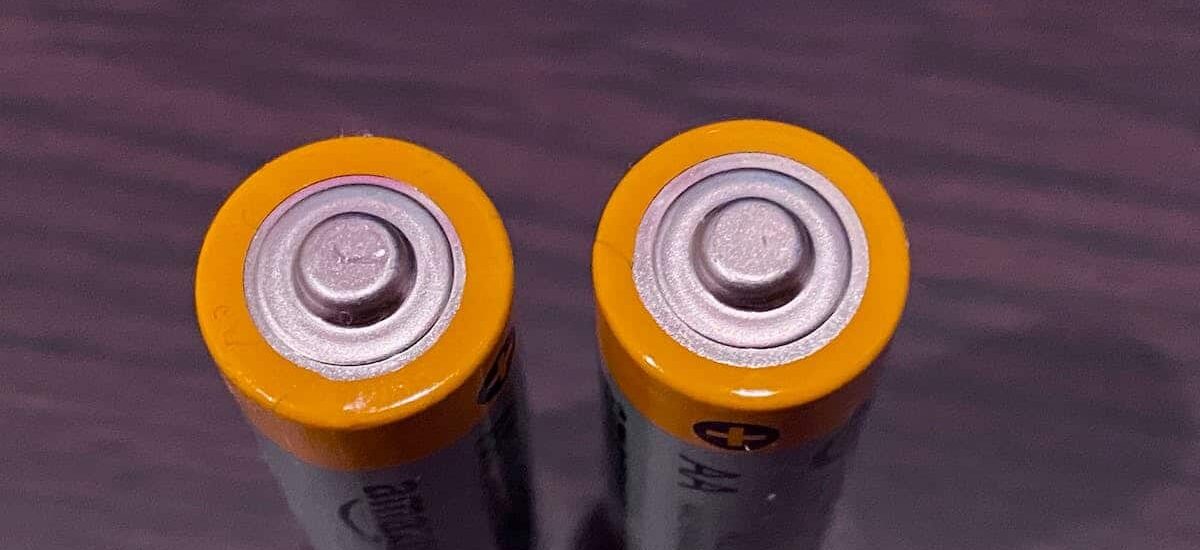
The longevity of our electronic devices is often limited by the lifespan of their batteries. At some point, these batteries no longer hold a charge, and we find ourselves faced with the dilemma of replacing them or replacing the entire device. There is an alternative to this situation: giving new life to these used batteries. This approach not only extends the lifespan of our favorite gadgets but also contributes to a more environmentally friendly economy by reducing waste. Let’s see how this impacts our technological daily lives.
Used Batteries: Issues and Challenges
One of the emerging solutions to address the issues related to used battery management is the development of a second-hand market. Indeed, there is real potential in this area since each battery contains valuable materials such as lead, nickel, lithium, or aluminum. Refurbishing and selling these batteries can therefore prove to be an economically viable activity.
This is where the concept of resale price for a used battery comes into play. Today, some specialized companies offer consumers the opportunity to sell their damaged or non-functional batteries to give them a second life. The financial valuation depends mainly on the type and initial condition of the battery, as well as the costs associated with the refurbishment process.
Another factor that strongly influences the resale price for a used battery concerns the demand in the secondary market. For example, lithium-ion batteries used in electric vehicles are highly sought after because they can be used in other applications such as stationary solar energy storage.
With technological advancements and the constant improvement of refurbishment techniques, it is now possible to achieve a high recovery rate without significantly compromising the initial performance.
Qualified professionals are needed as this requires specialized technical know-how to not only ensure safety during the process but also to ensure compliance with current environmental regulations.
Considering the resale price for a used battery could be a key lever to encourage the development of a circular economy around batteries. This would not only reduce environmental impact but also provide consumers with an economically attractive solution in the face of the high cost of new batteries.
Extending Battery Life: Solutions
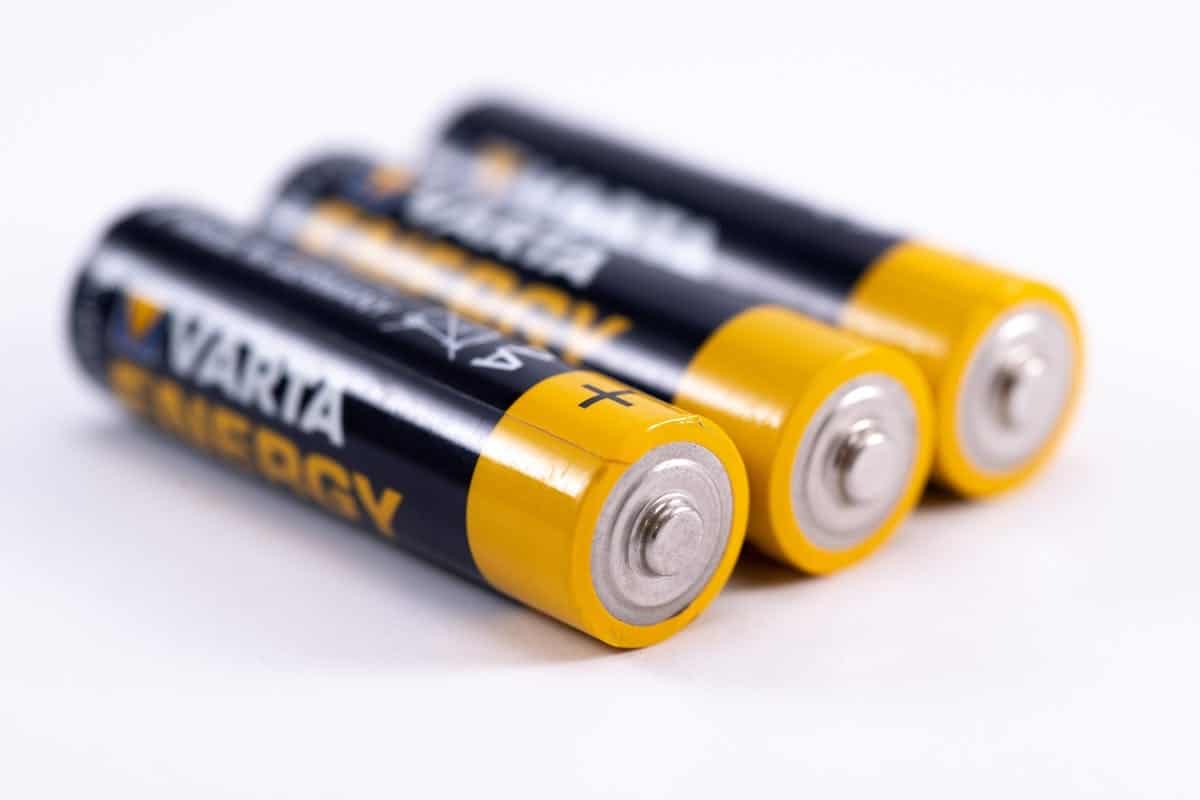
Solutions to extend battery life are numerous and varied. The first is to adopt responsible use of our electronic devices. Indeed, it is crucial to avoid overcharging and excessively deep discharges, as they can permanently damage the battery.
Another effective solution is to maintain battery temperatures within optimal ranges. High temperatures accelerate the aging process, while extreme low temperatures can cause malfunction or even total failure.
The choice of an appropriate charger is also essential to preserve battery longevity. Using a charger certified by the device manufacturer ensures proper recharging, thus respecting the recommended technical specifications.
Limiting the use of energy-hungry applications or features can significantly help extend battery life. All unnecessary features should be disabled whenever possible to save the precious energy contained in these electrical accumulators.
Regularly maintaining batteries can be beneficial to prevent any premature deterioration. Cleaning contacts with a dry cloth and avoiding contact with water or moisture will allow batteries to continue functioning properly for a longer period.
Despite all these efforts to extend their lifespan, there will inevitably come a time when batteries become obsolete. At this stage, it is crucial to adopt a responsible approach to their disposal.
Batteries must be recycled properly to avoid environmental pollution and maximize the recovery of the materials they contain. Many specialized collection points are available at recycling centers or from battery manufacturers.
Extending battery life requires a combination of preventive actions including responsible use, wise charger choice, and regular maintenance. However, when these measures are no longer sufficient, it is crucial to resort to the recycling process to avoid any negative impact on our fragile environment. By adopting these respectful practices, we contribute to giving new life to used batteries while preserving the precious natural resources they contain.
Reusing Batteries: Ecological Benefits
In our quest to find sustainable and environmentally friendly solutions, the reuse of used batteries emerges as a promising avenue. Indeed, this practice offers numerous undeniable advantages.
Reuse allows for extending the lifecycle of batteries, thus avoiding their premature disposal. Instead of being thrown away or immediately recycled, batteries are recovered and refurbished to give them a new utility. This approach helps to optimize the use of natural resources and reduce the amount of waste generated by our modern societies.
The reuse of batteries is an economically interesting solution. The costs associated with manufacturing new batteries are often high due to the complex process and necessary materials. Therefore, by giving a second life to used batteries, we can achieve significant savings while preserving our wallets.
This practice also promotes the circular economy. By recovering used batteries to reintroduce them to the market in refurbished form, we encourage a sustainable economic model where products become a valuable resource that can be used over and over again.
Reuse also offers an opportunity for technological innovation. Companies specializing in this field are constantly developing new technologies to improve the performance and energy efficiency of refurbished old batteries. This paves the way for new applications and fully utilizes the potential of existing batteries.
Reuse of batteries also helps to reduce the overall carbon footprint. By avoiding the manufacture of new batteries, which requires a significant amount of energy and emits greenhouse gases, we contribute to limiting the negative impacts on our fragile environment. By extending their usage duration, we optimize the use of resources already extracted for their initial production.
The reuse of used batteries presents a set of significant advantages. Not only does it allow for extending their lifespan and avoiding early disposal, but it also offers an economically interesting solution while encouraging a sustainable circular economy. It fosters technological innovation and helps reduce our environmental impact. It is therefore crucial for everyone to turn towards this promising practice to make a positive contribution to the responsible management of technological waste.
Battery Recycling: Methods and Challenges
In our relentless quest for ecological and sustainable solutions, recycling used batteries stands as a key step in the responsible management of this waste. Thanks to the constant development of advanced technologies, various processes are being implemented to give new life to these precious energy objects.
The first recycling method is chemical recycling. This process involves extracting the raw materials contained in batteries for reuse in other applications. Various components such as heavy metals (like lead, lithium, or cadmium) as well as certain chemical elements can be recovered and treated separately. This approach not only prevents their dangerous dispersion in the environment but also preserves our limited natural resources.
Another commonly used method is physical recycling. It aims to disassemble used batteries to sort and separate their different components. Materials such as aluminum, copper, or plastics can thus be recovered and directed to specialized channels where they will be transformed into new raw materials for other industrial sectors. This approach also helps to reduce the overall amount of waste generated while preserving our fragile environment.
The third widely used process is refurbishment. This technique involves restoring used batteries to give them a second life. Batteries are inspected, repaired if necessary, and tested to ensure their proper functioning. This process helps to extend the lifespan of batteries while limiting the production of new units.
There is also a more innovative method called biological recycling. This approach uses specialized microorganisms to break down the organic components present in used batteries. Thanks to this emerging technology, some materials can be transformed into bioenergy or useful chemicals, thus offering sustainable alternatives to traditional methods.
Despite these significant advances in the field of recycling used batteries, there is still much to be done to improve the efficiency and scale of these processes. Additional investments in research and development are necessary to refine these technologies and optimize their yields.
Recycling used batteries plays an essential role in our transition to a more environmentally friendly society. Thanks to the various available methods such as chemical recycling, physical recycling, refurbishment, or biological recycling, we can effectively reduce our ecological footprint while valuing our precious natural resources. It is crucial for everyone to show commitment and actively participate in this global movement aimed at giving new life to our used batteries.
Innovations in Used Batteries: What Advances
Technological advances in the field of used batteries continue to surprise and offer us new perspectives. Among the most promising innovations is the energy recovery from used batteries.
Indeed, some companies have embarked on developing systems that allow for extracting the remaining energy present in end-of-life batteries. Using sophisticated techniques, it is now possible to harness these last drops of electricity to power various devices or even inject this energy into the local power grid. This revolutionary approach not only helps to extend the useful life of batteries but also reduces our dependence on traditional energy sources.
Another major innovation concerns research on recyclable and sustainable materials used in battery manufacturing. Scientists are actively working to find alternatives to the rare metals often present, such as cobalt or nickel. Intensive research is also focused on using renewable and environmentally friendly organic materials to replace some currently used toxic components.
An emerging trend is that of battery leasing. Instead of purchasing a new battery, some consumers now have the option to rent a rechargeable battery from the manufacturer or distributor. Once this battery reaches its end of useful life, it is retrieved by the supplier, who then takes care of the appropriate recycling. This approach not only reduces costs for the consumer but also ensures responsible management of used batteries.
The technology of stationary storage is also booming. Used batteries can now be used to store electricity produced by renewable energy sources, such as solar panels or wind turbines.
Precautions with Recycled Batteries: Measures to Take
When it comes to using recycled batteries, certain precautions must be taken to ensure their proper functioning and to ensure the safety of users. Here are some recommendations to follow:
Check the condition of the battery: Before using a recycled battery, it is essential to ensure that it is in good condition. Carefully check its physical appearance as well as its nominal capacity to avoid any potential risk.
Use an appropriate charger: Make sure to use a charger compatible with the specific technology of the recycled battery you are using. The voltage and current settings must match the manufacturer’s specifications to avoid any overcharging or undercharging that could damage the battery.
Avoid extreme temperatures: Batteries are sensitive to excessive thermal variations. Therefore, avoid exposing them to excessively high or low temperatures. If possible, store them in a cool, dry environment when not in use.
Do not mix different technologies: You should not mix different types of batteries when using recycled batteries. All batteries have their own technical characteristics that may differ based on their chemical composition and voltage. Therefore, avoid mixing lithium-ion, nickel-cadmium, or lead-acid, for example.
Be compliant with the user manual: You must follow the specific instructions for each type of battery. Indeed, each type of battery may have its own particularities in terms of voltage, current, charging time, etc.
Properly recycle used batteries: When the recycled battery reaches the end of its useful life, it is crucial to recycle it properly to minimize its impact on the environment. Many collection points are available in specialized stores or at certain municipal centers.
Using recycled batteries can be an interesting ecological and economical alternative. Checking their condition, using an appropriate charger, and adhering to the manufacturer’s recommendations will ensure optimal and safe use of recycled batteries.