The number of travelers opting for off-the-beaten-path itineraries has increased by 35% in Europe over the past two years, according to the World Tourism Organization. Ride-sharing and home-sharing platforms experience spikes in registrations during every school holiday period, reversing the trend of traditional tours.
In several regions, authorities are now imposing quotas to curb over-tourism, prompting a reevaluation of our ways of exploring and integrating more environmentally friendly alternatives. Initiatives are emerging everywhere that combine curiosity, care for the planet, and personal enrichment without sacrificing the joy of discovery.
Why choose to travel differently today?
Traveling differently is no longer reserved for a handful of originals. Faced with the proliferation of saturated sites, the standardization of offerings, and the rise of ecological concerns, the need to give meaning to one’s travels is growing. Many seek to reconnect with authentic encounters and prioritize responsible travel. Those who opt for slow travel or micro-adventure take the time to immerse themselves, open up to local life, far from marked circuits.
Prioritizing an authentic journey means betting on quality rather than quantity. According to the Ministry of Ecological Transition, 41% of French travelers now want to limit the environmental impact of their stays. This figure reflects a shared desire: to travel without harming, while seeking collective and individual well-being.
Living memorable experiences often requires stepping off the beaten path, avoiding crowds, and daring to connect. The travel advice offered by club-voyageur.fr goes in this direction: encouraging exchange, discovery, and adventure, whether one is traveling solo or in a group. Turning towards micro-adventure, slow travel, or human-sized stays opens up more respectful and less standardized horizons.
For those tempted by a different way of traveling, there is a genuine approach: moving towards encounters, slowing down, favoring varied modes of transportation, questioning one’s choices, and preferring difference to repetition. This approach transforms the travel experience, making it denser and preparing the ground for sustainable tourism.
Responsible and low-carbon travel: what concrete options are there to explore the world differently?
Traveling while limiting one’s carbon footprint is no longer anecdotal. More and more globetrotters are looking to combine exploration with environmental respect. Several alternatives are emerging, particularly for transportation:
- The train is becoming a preferred option for long-distance travel, both in France and across Europe.
- Bicycle travel attracts for the freedom it provides and the proximity to the landscapes traversed.
- Buses, carpooling, or even boats offer real possibilities for varied itineraries, breaking away from the routine of air travel.
Changing one’s accommodation style also makes a difference. Many are swapping traditional hotels for alternative accommodations: hostels, nights with locals, eco-responsible lodgings. Experienced travelers often gravitate towards certified addresses that are mindful of energy consumption, water management, or waste reduction.
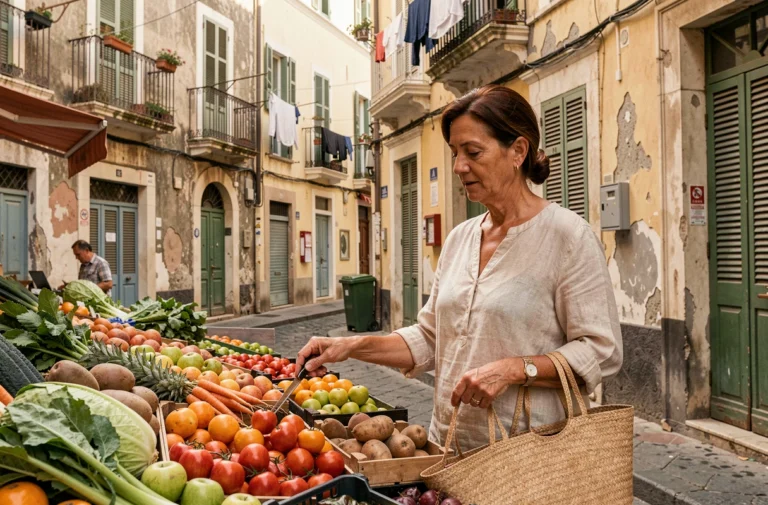
On-site, every action counts to make the travel responsible: spending time in a local market, meeting a producer or an artisan, hiring a local guide for ethical activities. These choices support the local economy and enrich the human dimension of the stay. Travel apps facilitate access to such initiatives and help identify destinations off the beaten tourist path.
Here are some reflexes to adopt to move concretely towards low-carbon travel:
- Favor trains or bicycles for gentle travel.
- Choose accommodations that are mindful of their environmental impact.
- Prioritize local activities and direct encounters with residents.
Micro-adventures solo: accessible ideas to experience adventure close to home
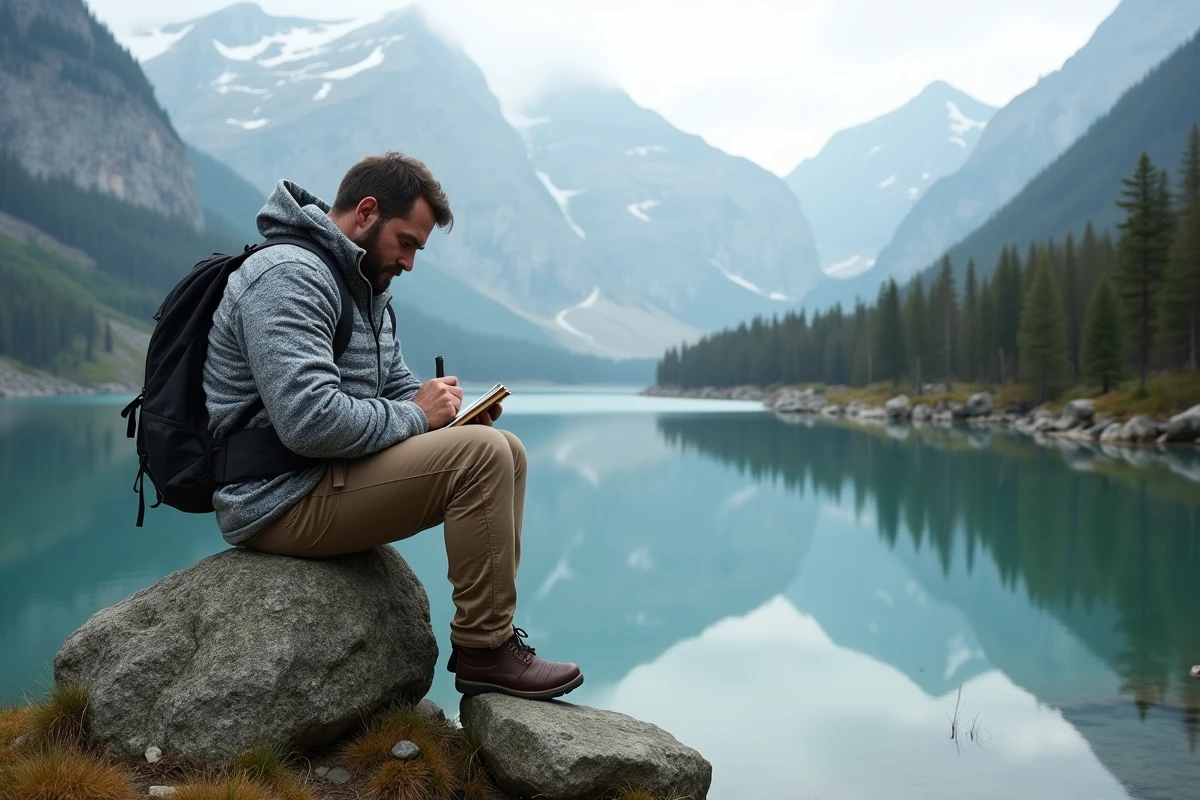
Micro-adventure is emerging as a concrete response to mass tourism. For those who want to live unforgettable experiences without flying or going far, opportunities abound: hiking for a night under the stars in a French forest, camping by a lake, or cycling along a greenway. Each region is full of immediate escape possibilities, accessible without heavy logistics or a high budget.
Going on a solo trip reveals unsuspected resources. It’s not about isolating oneself, but confronting the unexpected, testing one’s limits against a steep path or changing weather. Many choose a challenge within their reach: a night in a hammock, a walk across a natural park, or exploring a city in search of forgotten places. These adventure ideas invite rediscovery of what seemed familiar.
To prepare for this type of stay, here are some avenues to explore:
- Research by consulting specialized guides or maps of the area.
- Imagine accessible itineraries by train or bike to minimize ecological impact.
- Explore local discovery by favoring encounters with residents or trying new activities in nature.
Nature then reveals itself as a limitless experimental ground: observing animals at dawn, cooking over a wood fire, navigating with a compass. These simple gestures, within everyone’s reach, continue to surprise and feed the appetite for adventure, regardless of age or region. And what if the next great adventure was just a stone’s throw from home?