
Coffee grounds, the residue from brewing our morning beverage, are often relegated to the status of uninteresting waste. Yet, they hold unsuspected virtues for gardening enthusiasts. Rich in nutrients, they can transform into a top-notch organic amendment for soils and plants. However, their use requires certain knowledge to avoid pitfalls that could harm the delicate balance of the garden. Between practical advice and warnings, one must understand the multiple facets of this surprising ingredient for enriching and protecting your green space.
The Benefits of Coffee Grounds for Garden Health
Coffee grounds, far from being a mere residue of our daily consumption, prove to be an unquestionable ally for plants. Their richness in potassium, nitrogen, and magnesium contributes to stimulating the growth and flowering of plants, making them a top-quality natural fertilizer. Using these grounds as an organic amendment significantly increases the organic matter content of the soil, thus providing a fertile ground for the development of young roots.
Beyond their nutritional aspect, coffee grounds also serve as a natural repellent against certain pests. Their smell and the caffeine they contain are effective repellents against aphids, carrot flies, as well as slugs and snails. In doing so, they protect plants without resorting to chemical pesticides, preserving the health of the garden and the balance of its ecosystem.
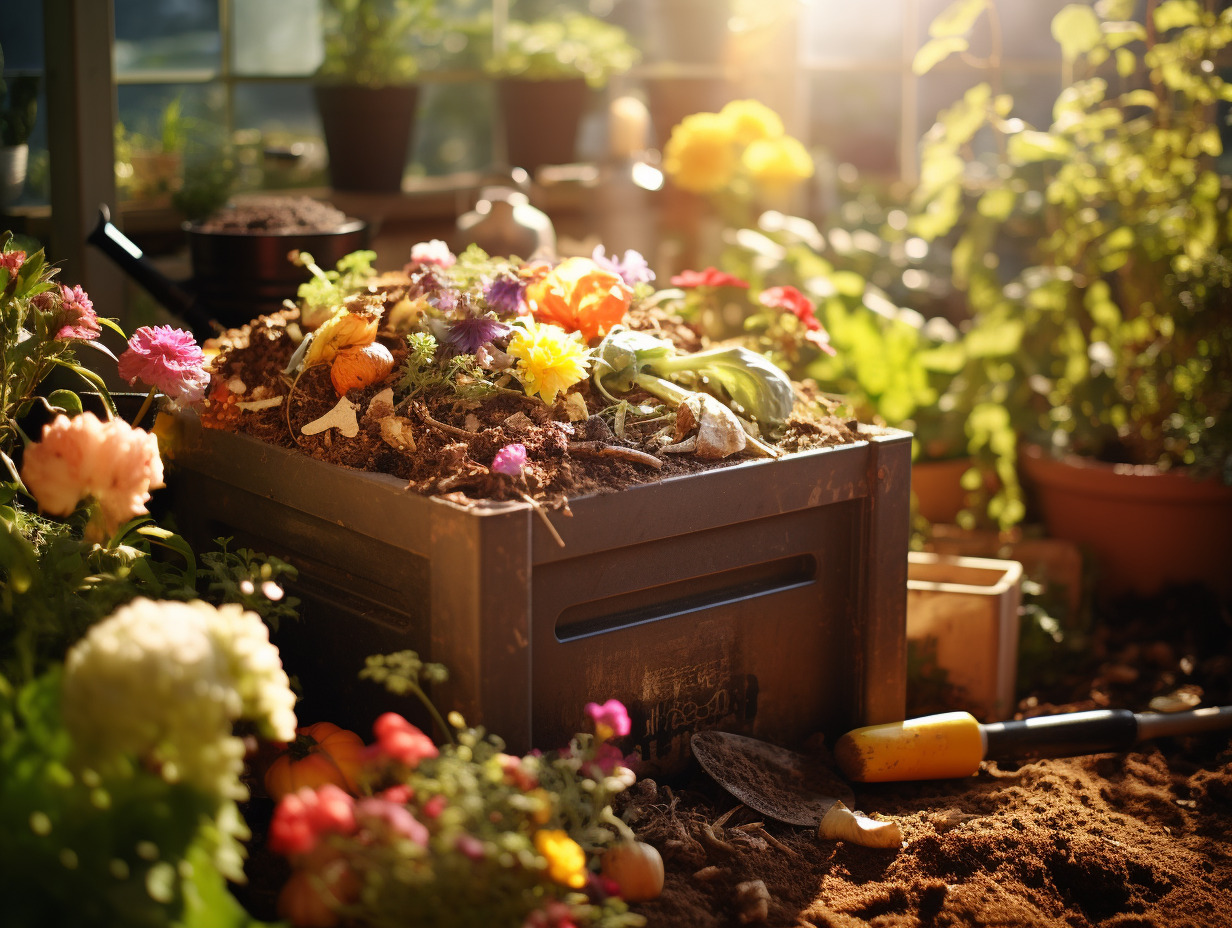
In the context of composting, coffee grounds stand out for their role as an activator. They accelerate the decomposition of organic materials and stimulate the activity of earthworms, essential organisms for transforming compost into a rich amendment for the soil. Plants such as hydrangeas and tomatoes particularly benefit from this addition, thanks to their preference for slightly acidic nitrogen-rich soils.
One question remains: which plants do not like coffee grounds? A necessary consideration to avoid applying them around plants that could suffer from excess acidity or nitrogen. A thorough understanding of the specific needs of each plant is essential for a judicious use of coffee grounds, in order to optimize their impact on garden health. Be mindful of this delicate balance to ensure the well-being of your garden.
Practical Tips and Warnings for Using Coffee Grounds in the Garden
The use of coffee grounds as an amendment for the soil or component of compost requires a certain moderation. Indeed, while the nutrient contribution is beneficial, an excessive amount can lead to an imbalance in the soil, particularly by overly acidifying it. Distribute the grounds evenly and sparingly, ensuring not to concentrate deposits around the roots, to avoid nitrogen overaccumulation. A gradual and measured approach will ensure positive effects without risking harm to the fragile balance of your soil.
The fight against pests with coffee grounds is an ecological tip not to be overlooked. Note that its effectiveness may vary depending on species and climatic conditions. To keep slugs and snails away, create a barrier with the grounds around sensitive plants. This non-toxic method will protect your plants while maintaining the garden’s biodiversity. Stay attentive to the results and adjust the quantity based on observations made in the field.
Be aware that coffee grounds can mold when left damp. To prevent this phenomenon, ensure they are slightly dried before adding them to your compost or spreading them on the soil. Proper aeration of the compost is essential to promote adequate decomposition and prevent mold. Coffee ground tea, a concentrated infusion, can be used as a liquid fertilizer after dilution, thus providing a nutrient supply that is directly assimilable by plants. However, be careful not to overuse this preparation to preserve the structure and health of the soil.