The urban fashion market is undergoing a period of restructuring. On the regulatory side, the French law of July 8, 2026, imposes an eco-contribution penalty on new clothing deemed not durable, while the European regulation ESPR prohibits large companies from destroying their unsold textiles since July 19, 2026.
These two movements, stylistic and legislative, are reshaping shopping choices for anyone looking to create a coherent urban style this autumn-winter season.
Eco-contribution penalty and urban shopping: what the law concretely changes
Since September 1, 2026, new textile products sold in France are subject to a modulated eco-contribution based on their durability. The penalty targets clothing designed for a short lifespan, based on criteria related to repairability and the robustness of materials.
For consumers in search of urban pieces, the direct consequence is an increase in the price of certain entry-level items. Basics produced in very large volumes with fine textiles see their prices rise, while thicker or better-assembled pieces remain at the same level of eco-contribution.
A point often misunderstood: the resale of second-hand clothing is not affected by this measure. The text exclusively targets new products brought to market. Exploring second-hand options to refresh an urban look remains an option that escapes the penalty, which alters the budget equation of a streetwear wardrobe.
To keep up with all the news on La Mode Urbaine, the reading grid has changed: the displayed price now includes a signal about the product’s durability, which consumers can learn to decode.
Textured materials and leather: fashion trends that withstand regulatory sorting
This season, autumn-winter collections respond to the growing appeal for textured surfaces with plush knits, brushed surfaces, boucle wools, and sponge-like materials.
Leather, omnipresent on Parisian runways, is available in jackets, pants, and accessories. In a context of penalties on less durable products, pieces made from genuine leather or thick plant-based leather have an advantage: their longevity places them on the right side of the eco-contribution grid. The leather jacket remains the quintessential investment piece for an urban look.
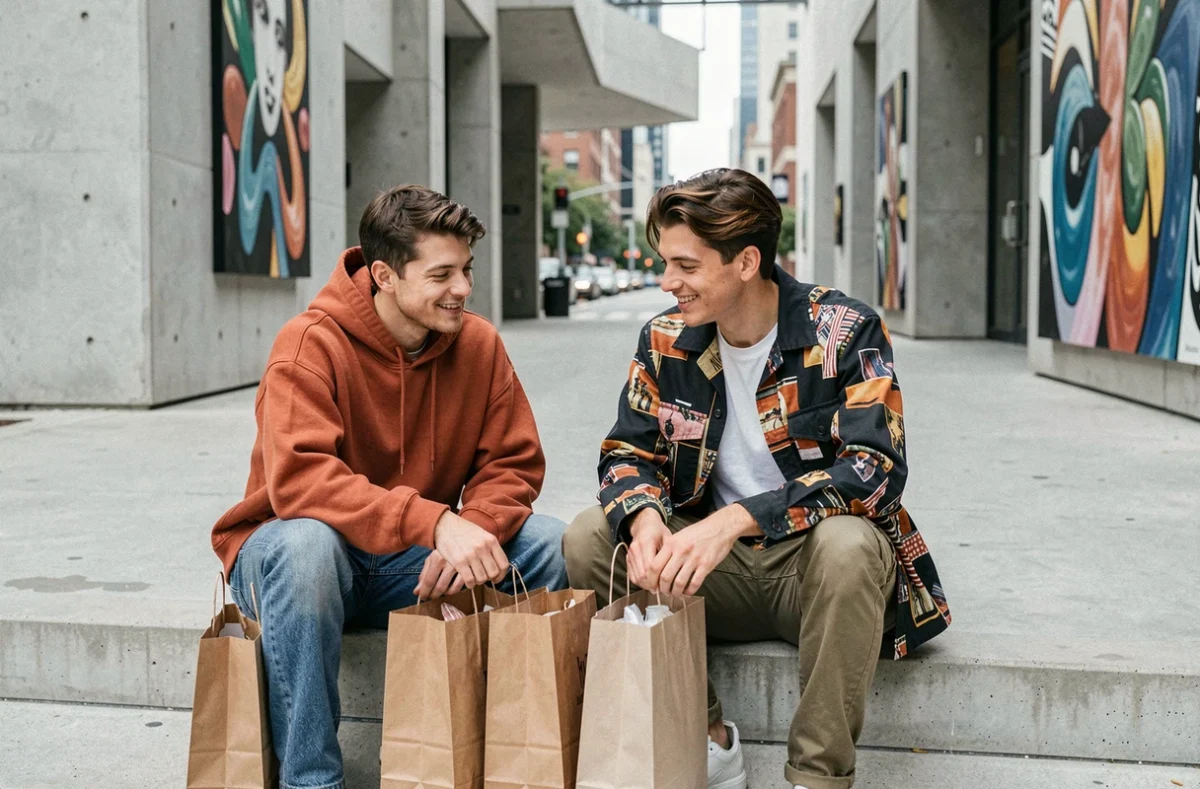
The check pattern makes a comeback this season, worn as an overshirt or oversized coat, two formats that easily integrate into a streetwear wardrobe without multiplying purchases.
What distinguishes a durable purchase from a disposable one this season
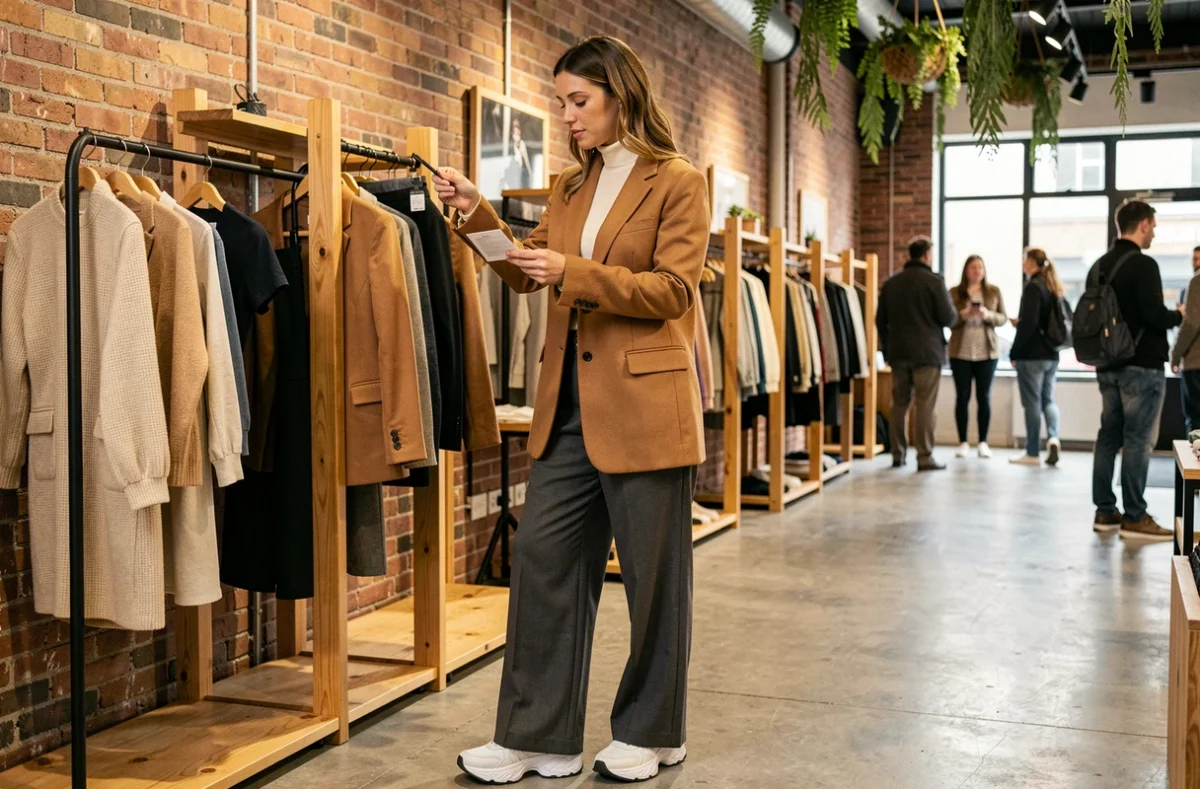
The most reliable criterion is neither the label nor the price, but the density of the fabric and the quality of the seams. A thick boucle knit or well-tanned leather will last through several seasons. In contrast, a fine printed trendy fabric, even sold by a well-known brand, risks distorting after the third wash.
- Check the fabric weight: a material that feels light to the touch for a winter garment often indicates a product that is not very durable
- Examine the interior finishes, overlocked seams, or raw edges, which provide insight into the actual lifespan of the piece
- Favor natural materials or blends dominated by wool, thick cotton, or leather, rather than pure synthetics with low weight
1990s outdoor aesthetic: why this urban trend persists
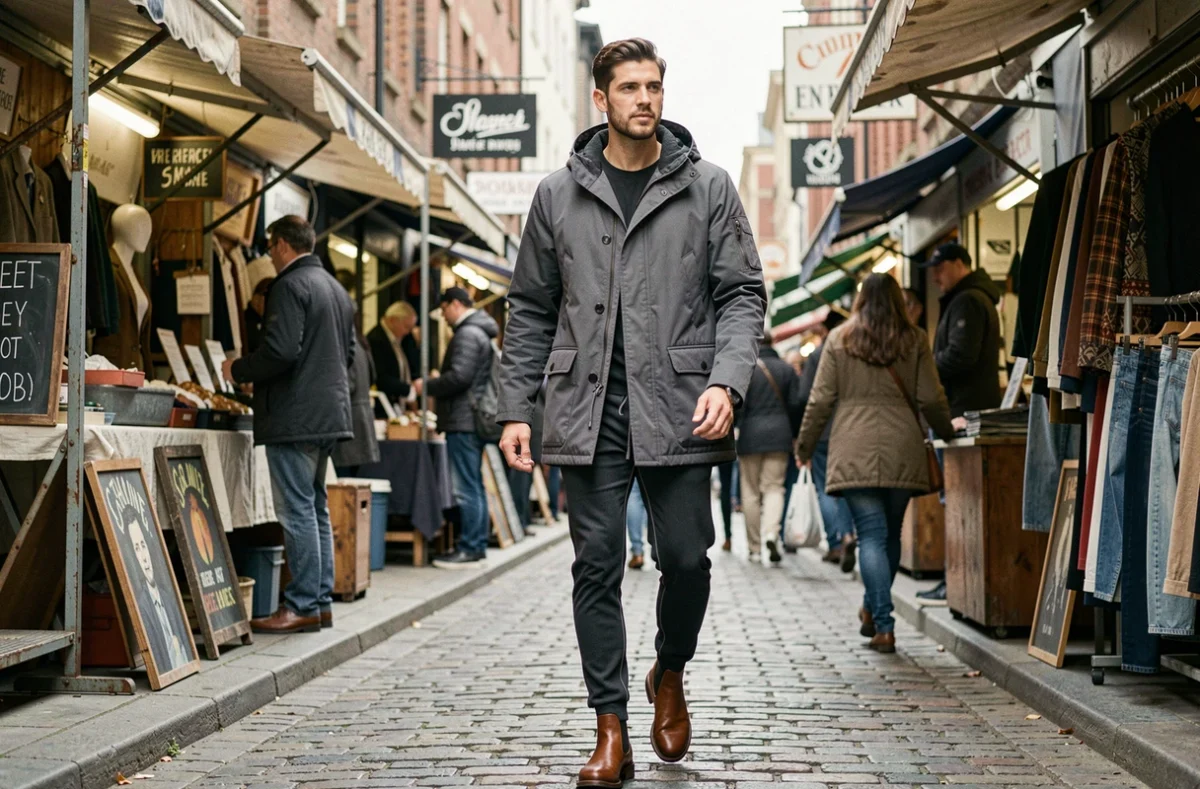
The 1990s outdoor aesthetic shows no signs of weakening. The autumn-winter 2026 collections draw from the archives of sports equipment brands to reinterpret a graphic and sporty spirit. Color-block windbreakers, zippered fleeces, cargo pants: the outdoor vocabulary integrates into a street look effortlessly.
This persistence is not solely nostalgic. Outdoor clothing, originally designed to withstand the elements, naturally ticks the boxes for durability that the regulations value. A technical windbreaker made from ripstop fabric can withstand years of daily use in the city.
The trap would be to confuse the trend with its cheap imitation. Low-cost copies replicate the look without the technicality and fall precisely into the category of products targeted by the penalty.
Second-hand and urban style: an underestimated shopping lever
Second-hand represents a shopping angle that the new regulations make more attractive. Since second-hand clothing escapes the eco-contribution penalty, buying a vintage leather jacket or a 1990s outdoor parka often costs less than acquiring a new equivalent, penalty included.
Specialized second-hand shops focusing on streetwear are multiplying in Paris and major cities. They offer pieces from sought-after urban brands, sometimes worn for just one season, at a fraction of the original price.
- Second-hand leather jackets gain in patina, enhancing their character in an urban look
- Vintage outdoor pieces (fleeces, windbreakers) are often made with more robust materials than their current entry-level counterparts
- Second-hand sneakers in good condition allow access to limited-edition models without paying the new resale price
The European digital textile passport, currently in preparation, could eventually facilitate the verification of authenticity and composition of resold items. Specific obligations for clothing are not yet finalized, but the mechanism already exists for other product categories.
Creating an urban style this season means navigating between well-identified runway trends (leather, textures, 90s outdoor) and a regulatory framework that penalizes impulsive purchases of fragile pieces. The most relevant shopping combines durable new pieces and second-hand finds, keeping an eye on the quality of materials rather than just the displayed price.