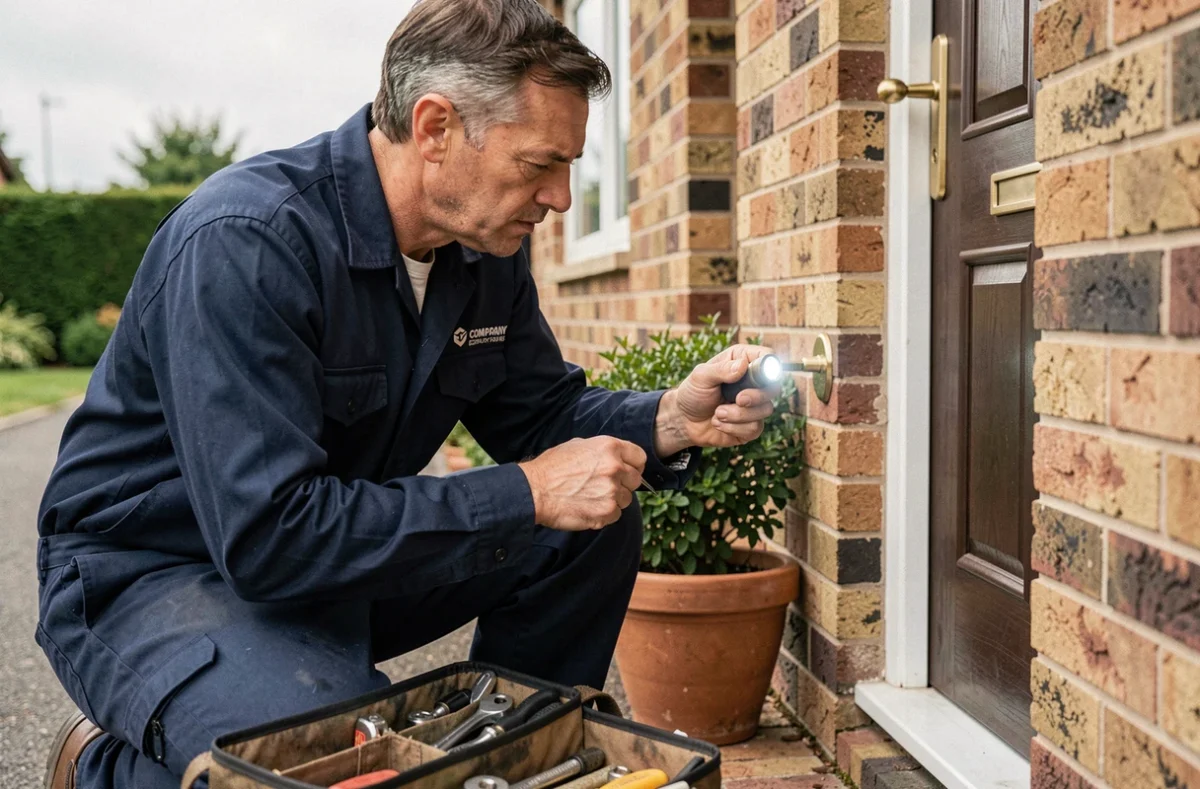
A locksmith emergency involves the security of your home and often a significant amount of money. Choosing a locksmith relies on verifiable criteria even before picking up the phone, and on legal reflexes that most individuals discover too late, once they have the bill in hand.
Obligation to provide an estimate in locksmithing: what the regulations say
The decree of January 24, 2017, requires a written estimate before any emergency service, with no minimum price threshold. This rule applies even in emergency situations. The document must detail the labor, the cost of parts, travel expenses, and the total amount including tax.
A professional who refuses to provide this estimate before intervening is acting illegally. If you are met with an argument like “we’ll see on site,” hang up. This behavior is among the most common anomalies reported by the DGCCRF during its inspections in the home repair sector.
In a survey conducted in 2023 among 548 emergency professionals, the DGCCRF found that 350 establishments had irregularities: discrepancies between the announced price and the final bill, non-compliant billed quantities, use of qualifications or labels not held. This ratio highlights the extent of the problem.
Comparing several estimates over the phone before approving an intervention remains the most protective reflex, even when you are stuck in front of your door. A provider like serrurier-dic.fr displays its rates upfront, making this quick comparison easier.
Emergency and right of withdrawal: distinguishing security measures from other work
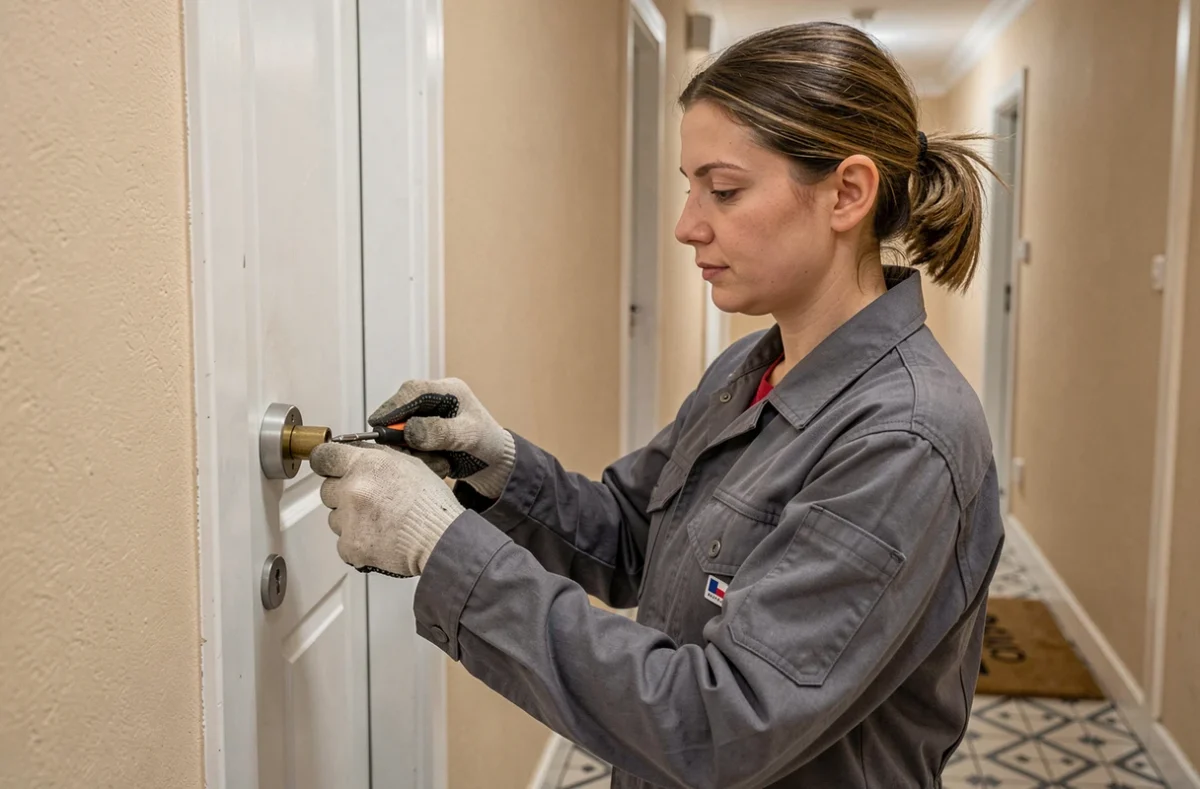
In emergency repairs, the 14-day right of withdrawal does not apply to repairs expressly requested by the client and to parts strictly necessary to respond to this emergency. Opening a door and immediate security measures fall within this scope.
However, a complete lock replacement or a security upgrade proposed on-site no longer qualifies as an emergency. If the locksmith suggests, after opening your door, to change the cylinder for a more efficient model, this additional service must be subject to a separate estimate. You then retain your right of withdrawal on this part.
This distinction is rarely explained at the time of intervention. Asking the locksmith to clearly separate the lines “security measures” and “additional work” on the invoice protects your recourse in case of a dispute.
Check qualifications before the repair
The profession of locksmith-repairer is not regulated by a mandatory diploma in France. Anyone can start a locksmith business and intervene in your home. This lack of entry barriers largely explains the frequency of abuses.
To filter profiles, several elements are verifiable:
- The SIRET number, which can be checked in online business directories, confirms the legal existence of the company and its declared activity.
- Registration in the trades directory or with the union chamber of locksmith artisans indicates a real professional grounding, even if it does not guarantee technical competence.
- Voluntary certifications (Qualibat qualification, brand labels like Fichet or Vachette) attest to specific training on certain types of locks or cylinders.
- Professional liability insurance covers any damage to your door or frame during the intervention. Request a certificate before the work begins.
The combination of a valid SIRET, insurance, and at least one verifiable online review constitutes a minimal reliability foundation.
Locksmithing rates: spotting abusive surcharges
The billing for locksmith services consists of three items: travel, labor, and supplies (cylinder, lock, handle). Travel expenses must be announced before the intervention and are among the mandatory mentions of the estimate.
Some surcharges are legitimate. An intervention at night, on a Sunday, or on a public holiday justifies an extra cost compared to a weekday daytime slot. However, this surcharge must be specified in the estimate, not discovered upon reading the bill.
Warning signs regarding the price of a door opening
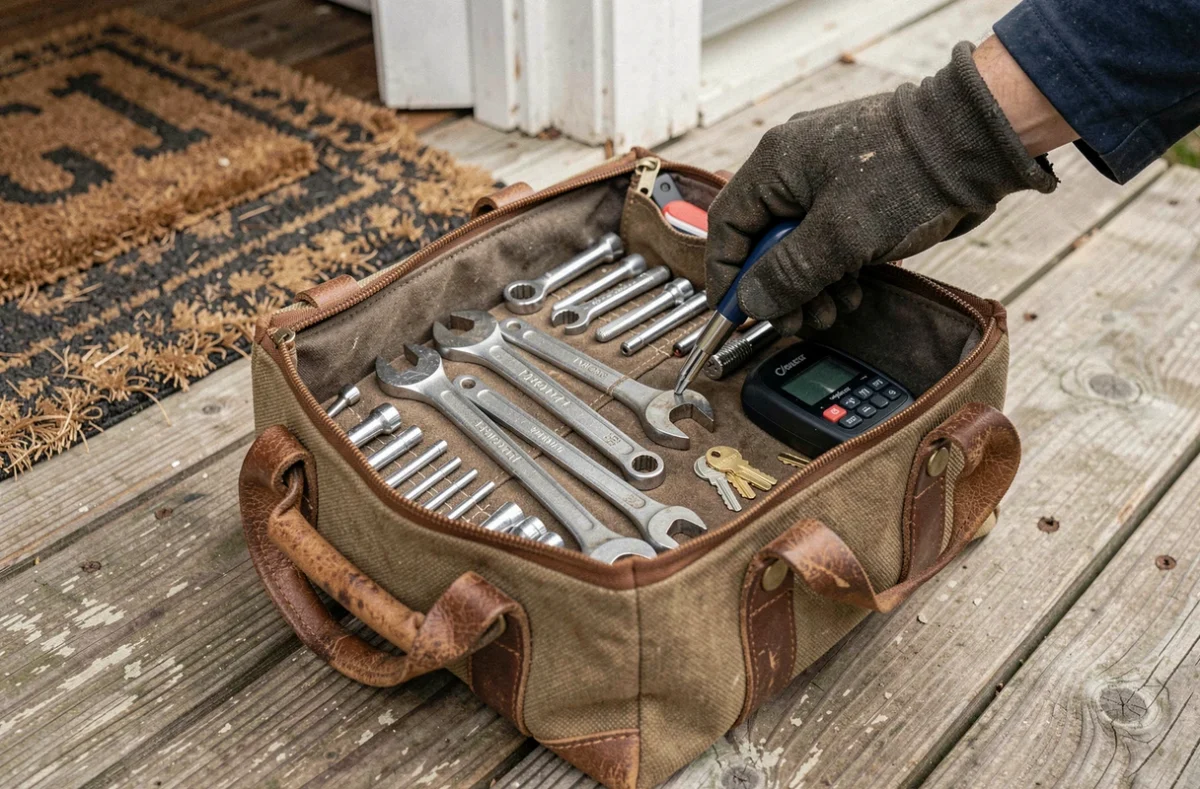
An abnormally low price over the phone that inflates once the locksmith is on-site is the classic scam scenario. The professional claims a more complex lock than expected, an urgent cylinder replacement, or “special” supplies charged at a high price.
The best safeguard remains the signed estimate before the intervention. If the locksmith discovers an unforeseen problem, he must establish a new estimate for the additional work and obtain your explicit agreement. Any billing beyond the initial estimate without your written consent is contestable.
Recourse in case of a dispute with a locksmith
If the final bill exceeds the estimate or if the work has a defect, several steps are possible. Reporting on the DGCCRF’s SignalConso platform allows you to alert the control services. A registered letter to the professional formalizes your complaint and opens a response period.
For disputes involving moderate amounts, consumer mediation is free and must be offered by the professional. The mediator’s contact details should appear on the invoice or in the general conditions. In cases of blatant fraud (prices unrelated to the service, intimidation for immediate payment), filing a complaint remains the appropriate course of action.
Always keeping the signed estimate, detailed invoice, and any photos of the intervention constitutes a solid file if recourse becomes necessary. A reliable locksmith provides these documents without being asked.