Choosing a hobby that appeals to everyone in the group, fits into the schedule and is available nearby: that’s the real challenge. A DEPS report published in France, portrait social in 2022 shows that where people live and their social backgrounds directly affect the sports and cultural activities available to them.
An activity that looks appealing on paper may prove impractical if there’s no local facility or suitable time slot. Before browsing lists of ideas, it’s best to apply three practical filters: how much time everyone actually has, family commitments and what’s available nearby.
Available time and family schedules: the first filter when choosing a hobby
Have you ever found an activity you were excited about, booked your first session, then given it up because you couldn’t find a free time slot? In a Culture études study from March 2025, DEPS notes that parenthood directly affects adults’ cultural schedules. Childcare hours, school runs and children’s activities all reduce the time available.
Instead of looking for the ideal hobby and then trying to fit it into your schedule, reverse the process. First, identify the time slots you can count on: a regular evening, Saturday morning or an extended lunch break. The time you have available determines which hobbies are realistic, not the other way around.
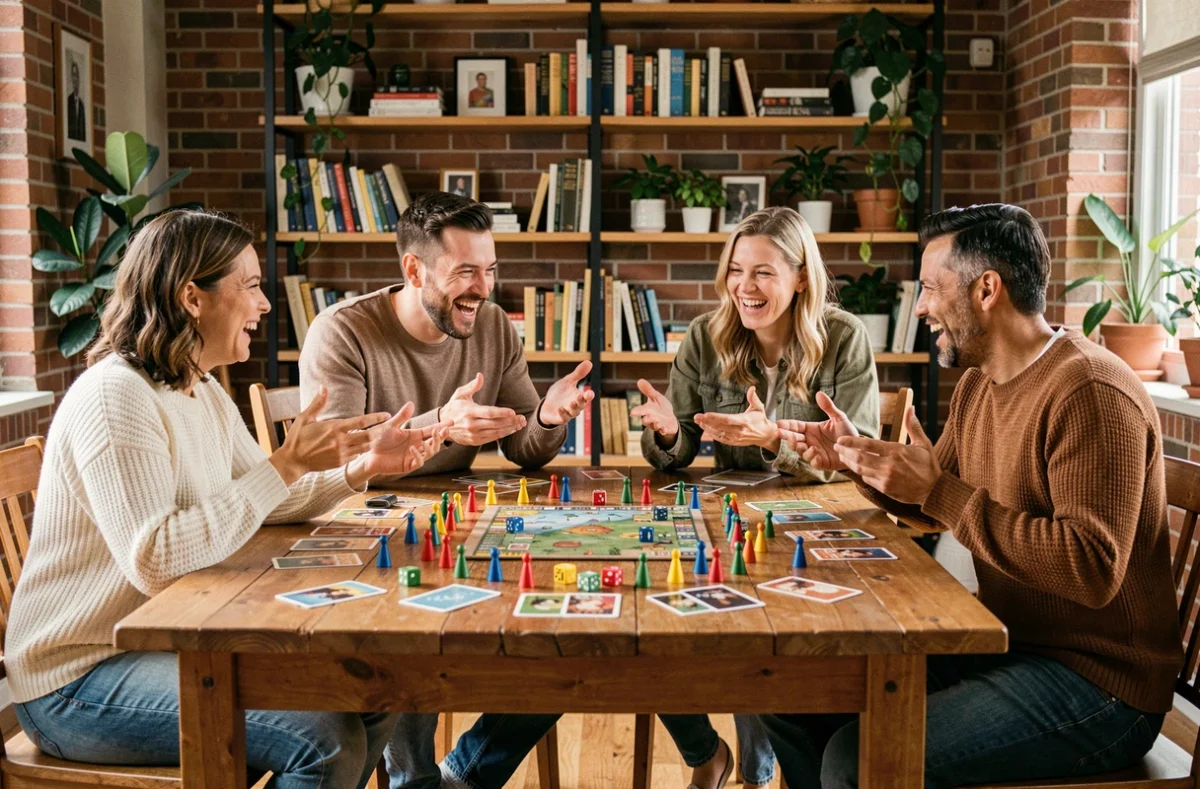
For families, consider two scenarios. The first is an activity you can do together, children included. The second is a personal hobby that requires someone else to look after the children. Both are valid, but they call for different arrangements. Exploring the hobbies at Chaudron Des Jeux can help you find fun activities suited to both scenarios, including games the whole family can enjoy in short sessions.
A hobby you can stick with is one that fits the actual rhythm of your week. An activity lasting an hour and a half every other week is more rewarding than a weekly commitment you give up after a month.

Organized or independent hobbies: which format suits your schedule?
The INJEP’s 2025 National Survey of Sports Participation confirms that you can take part in sports regularly without joining a club. Walking, cycling, running and outdoor games are all flexible options that don’t require registration, fixed times or an annual membership fee.
Independent activities are a good fit when your schedule changes often. Shift work, shared custody and business travel are all situations where a rigid commitment to an association can lead to frustration. By contrast, an organized activity provides regular social contact, a weekly event to look forward to and, sometimes, technical progress that would be difficult to achieve alone.
How to choose between independent and organized activities
- Schedule stability: if your hours change from week to week, choose a hobby without fixed registration (hiking, board games with friends, photography)
- Need for social connection: if your goal is to meet people, a group class or association provides an established group, unlike going for a run alone
- Budget: independent activities require an initial investment in equipment, while organized activities add a membership or subscription fee, sometimes offset by equipment loans
- Desired progress: learning a musical instrument, martial art or artistic technique often calls for a teacher, at least to begin with
There’s nothing to stop you combining the two. An independent activity during the week (walking, reading, games at home) and an organized weekend session (a creative workshop, team sport) offer flexibility without isolation.
Check what’s available locally before committing to an activity
The 2022 DEPS report highlights a fact that’s often overlooked: where you live determines which hobbies are genuinely accessible. In rural areas, there are fewer organized activities to choose from. In densely populated urban areas, the range is wider, but getting there can take a long time.
Before deciding, take a practical inventory. What facilities are within a 20-minute journey? A media library, sports hall, park, community center or public sports ground? These facilities define the range of options available to you.
Four practical checks to make before choosing
Check your town or intermunicipal authority’s website: most publish a guide to local associations, including schedules and fees. Check which time slots are available, not just whether the activity exists. A pottery class on Tuesday at 2 p.m. is no use if you’re at work.
Also look at transport options. You’re more likely to take part regularly in a hobby you can walk or cycle to than one that requires a 30-minute drive. Distance is the silent enemy of consistency.
Consider volunteering as a group activity. The INJEP and CRÉDOC’s 2025 DJEPVA Youth Barometer shows that taking part in a cultural, sports or community project can be a shared activity centered on a common goal. It isn’t something you do “on top of” your hobbies; for those looking for meaning and connection, it’s a hobby in its own right.

Choose a hobby that suits everyone taking part: children, friends or couples
An activity that captivates an adult can bore a six-year-old within ten minutes. When choosing a group activity, start with the person who has the most constraints: the youngest participant, the person with the least mobility or the one with the least free time.
With children, short, varied activities work better than long, monotonous outings. A half-hour board game, a walk with a goal (find five tree species, photograph insects) or a cooking session can hold their attention without testing their patience.
Activities with friends work best when no one needs prior experience. Modern board games, escape rooms, pétanque or a trip to a nature park are all easy to enjoy without any learning curve. The fun comes from spending time together, not from performing well.
For couples, taking turns choosing activities helps avoid falling into a rut. One week, one person chooses. The next week, the other does. This simple rule broadens your horizons and introduces you to activities you might not have considered on your own.
Choosing a hobby you can stick with depends less on the activity itself than on how well it fits into real life. A regular time slot, a nearby location and a format suited to the group matter more than the initial appeal. The best hobby is the one you actually do every week, not the one that looks exciting on a list of ideas.