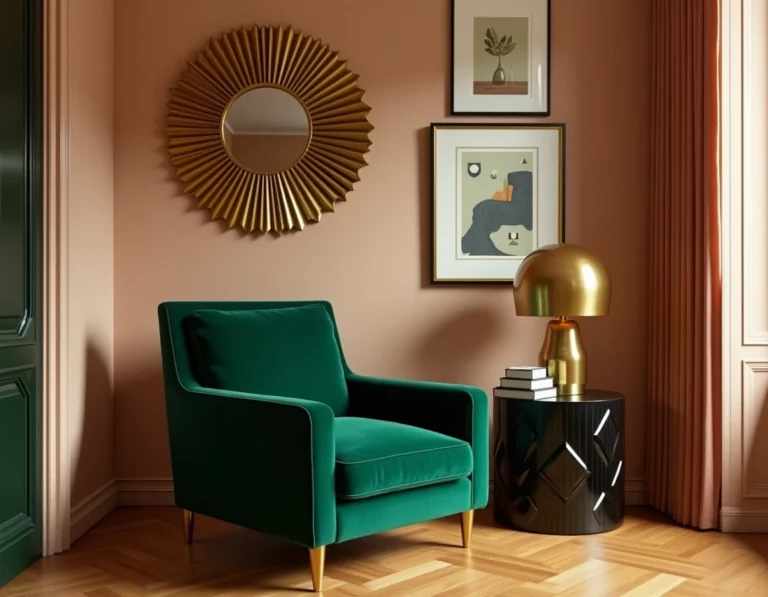
White is never completely neutral. Some hidden pigments alter its purity, influencing the perception of spaces. Despite a reputation for simplicity, this color reveals unexpected complexity when applied.
Even so-called “one-coat” paints often require touch-ups. Application errors or insufficient preparation of the surface compromise the durability of the result. Following a precise order in the steps avoids costly rework.
Why white paint transforms the ambiance of a room
Forget the myth of bland white. In the world of decoration, white paint acts as a true space modulator. It plays with light, enlarges the room, erases corners, and opens the bedroom to the outside. A simple roll of the brush, and suddenly, the walls breathe. White gives an impression of volume, stretches perspectives, maximizes natural and artificial brightness: a significant advantage when every inch counts in the city.
But white is not limited to neutrality. It enhances every object: furniture, flooring, artwork on the wall, everything stands out better. Add a colorful rug or a few frames, and the space comes alive without falling into excess. The room transforms into a bright cocoon, conducive to tranquility and inspiration. However, be cautious of excess: a monochrome room that is too white can quickly appear cold. Add natural materials, textured accessories, and touches of color on curtains or cushions to break the monotony.
Another factor to watch: the perception of white varies according to the room’s exposure, daylight, and the temperature of the lighting. Dark flooring warms the atmosphere, while light furniture enhances the feeling of purity. Before you dive in, take the time to read expert advice, like that available on reading on La Gazette de Constantine. These resources debunk clichés and offer tips for achieving a bright, warm, and character-filled room.
How to choose the ideal shade and finish for your space
White is never alone. Behind this name lie dozens of shades that radically influence the atmosphere of a room. A pure white, with no undertones, imposes a sharp neutrality. But in the light, it can quickly shift to a too-cold, almost clinical ambiance. For a room that receives little sunlight, opt for a warm white, slightly tinted with yellow or pink, which brings comfort and softness. Conversely, a cool white with blue or gray undertones enhances the feeling of freshness in a south-facing room.
Don’t limit yourself to extremes. Off-white, ivory, ecru, cream, or taupe offer subtle alternatives, ideal for pairing with wood, old flooring, or contemporary decor. Before making a decision, test a sample directly on the wall: observe the shade at different times of the day, under various lighting conditions. White changes its appearance depending on the hour and the weather.
The choice of finish also influences the overall result. Here’s what you need to know to select the one that suits you:
- Matte hides small irregularities in the wall and creates a soft ambiance, perfect for bedrooms and ceilings.
- Satin captures light, makes maintenance easier, and is particularly suitable for walls exposed to wear and humid areas.
- On woodwork, a glossy finish provides relief and a shiny look that draws the eye.
Finally, consider the composition: acrylic to limit emissions and facilitate cleaning, glycero (oil-based paint) for durability on heavily used surfaces. Take into account the light, the style of furniture, and the desired ambiance. The right white will reveal all the character of your room.

Practical steps and tips for successfully applying white paint
Everything starts with meticulous preparation. There’s no skipping this step: wash the walls, remove any grease, fill cracks and holes with filler, then sand to achieve a perfectly smooth surface. A clean and healthy wall promotes adhesion and uniformity of the white. Applying a primer is often necessary: it evens out the surface, masks old colors or repairs, and regulates paint absorption. If the wall is very colorful or damaged, the primer makes the job easier and ensures a flawless result.
Before opening the can, carefully protect the room. Here are the protections and tools to prepare:
- Drop cloth to cover the floor and furniture
- Masking tape on baseboards, door frames, and moldings
For application, keep it simple and effective: brush for corners, roller for large surfaces. A short nap roller is used on smooth walls, a medium nap roller on textured or relief walls. Soak the tool well, wring it out to avoid drips, then tackle the first coat by crossing the strokes, from top to bottom, without pressing too hard.
Respect the drying time (generally 6 to 8 hours) before applying the second coat. This double step ensures perfect opacity and a uniform finish, even on dark or marked walls. Woodwork deserves special attention: use an appropriate brush, precise movements, and careful finishes. Before putting away the tools, examine the result under different lights. If a few flaws remain, small touch-ups will suffice. Patience and rigor make white a strength, never a weakness.
The freshly painted room then presents itself, ready to welcome light, color, and life. Behind the simplicity of white lies the expression of a bold choice, where every detail matters. The next time you cross the threshold of this room, take a moment to feel the transformation: white has never been so alive.