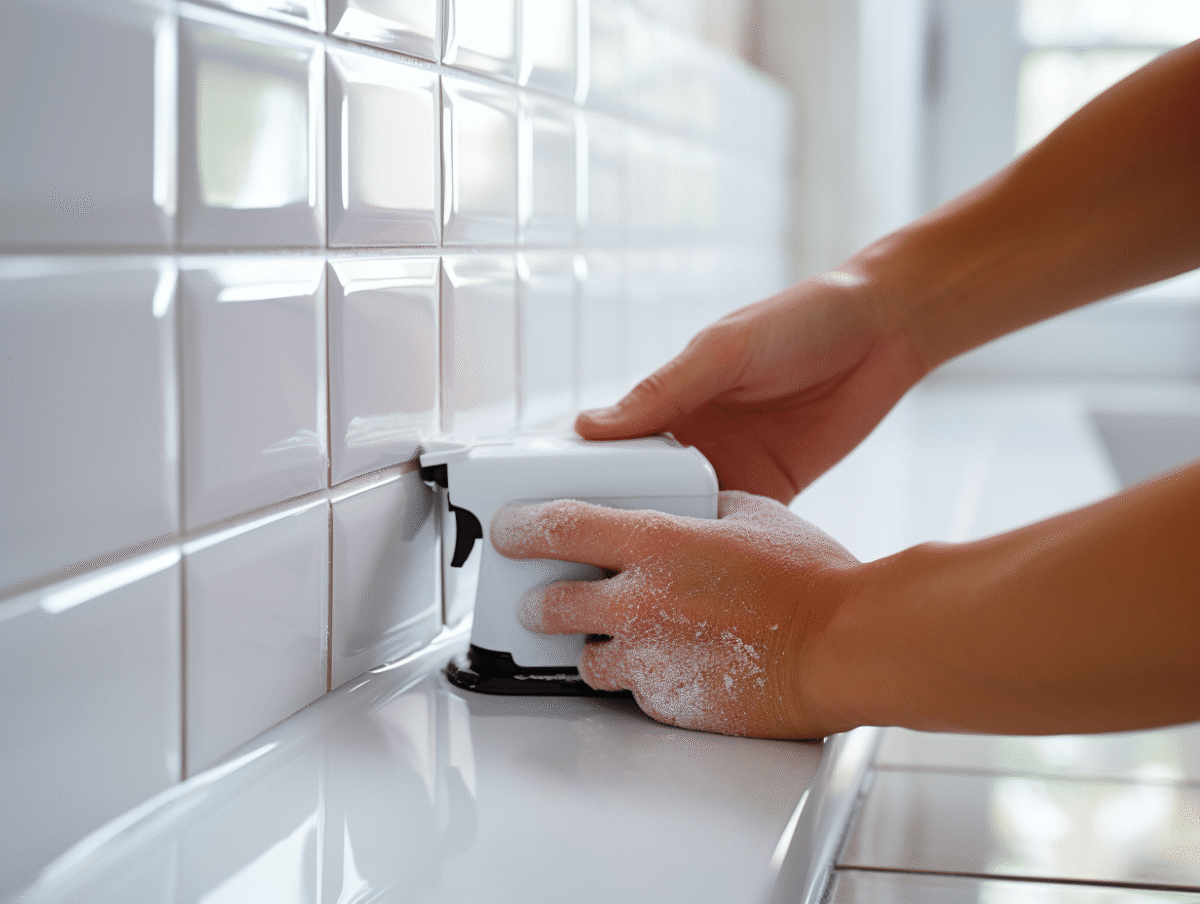
In interior renovation, modifying the aesthetics of tiled walls is a common project. Whether it’s to replace a cracked tile or to renovate a section of wall, effectively removing tiles without damaging adjacent pieces requires a precise method and special care. This task may seem daunting, but with the right tools and appropriate technique, it becomes a perfectly achievable operation for DIY enthusiasts. The challenge lies in preserving the integrity of the surrounding tiles while extracting the targeted piece, a useful skill to avoid additional costs and maintain design harmony.
Techniques for removing wall tiles without damage
The question often arises in the field of renovation: How to remove floor and wall tiles without damaging them? To accomplish this task, several tools and techniques must be mastered, always with the aim of preserving the quality of the adjacent tiling. Craftsmen, these professional tilers, have in their arsenal tools like scrapers or chisels, used precisely to remove the mortar. Their expertise is central: they recommend acting delicately to avoid breaking the tiles during extraction.
The use of a grinder, handled by a professional, is sometimes necessary to effectively remove the grout without compromising the neighboring tiles. This operation requires a skilled hand to avoid altering the structure of the wall. The lever effect, performed with a flat tool, is then used to gently lift the tile. Note that a heat gun can be used to heat and soften the grout before proceeding with its removal, thus facilitating the action of other tools.
In cases where a tile is already damaged, its removal can, in turn, facilitate the removal of other pieces. However, this method is double-edged and should be used judiciously to avoid causing additional damage. The tools for removing tiles are varied, and their selection must be adapted to the specific situation of the job site. Caution and expertise dictate the tiler’s actions, ensuring a clean job and preservation of materials for reuse or replacement, respecting the original aesthetics.
Practical tips for preserving adjacent tiles
Preserving adjacent tiles during the removal of a wall covering revolves around meticulous practices and specific precautions. Before any intervention, protect sensitive areas of the room, such as wet areas and pipes, which may be damaged during the work. Use tarps or suitable coverings to shield surfaces and prevent any unintended damage.
Once the removal is completed, plastering and sanding are necessary to smooth the wall surface. These steps are crucial to ensure optimal adhesion of the new tiles or any other chosen covering. Be meticulous in cleaning to avoid plaster or mortar residues affecting future installation.
The reuse of materials also offers significant economic and ecological benefits. Tiles carefully removed can be resold or reused, creating a virtuous cycle of waste reduction. In this regard, platforms like Articonnex facilitate connections between individuals looking to acquire or dispose of construction materials.
Consider the nature of the wall tiles. Glazed tiles, often used in bathrooms, require particularly delicate handling due to their fragility. More robust slabs, such as porcelain stoneware, can tolerate slightly more forceful methods. In each case, the attention paid to handling tools and respecting the tiles remains the guarantee of a successful operation, without damage to the environment and the home’s flooring.