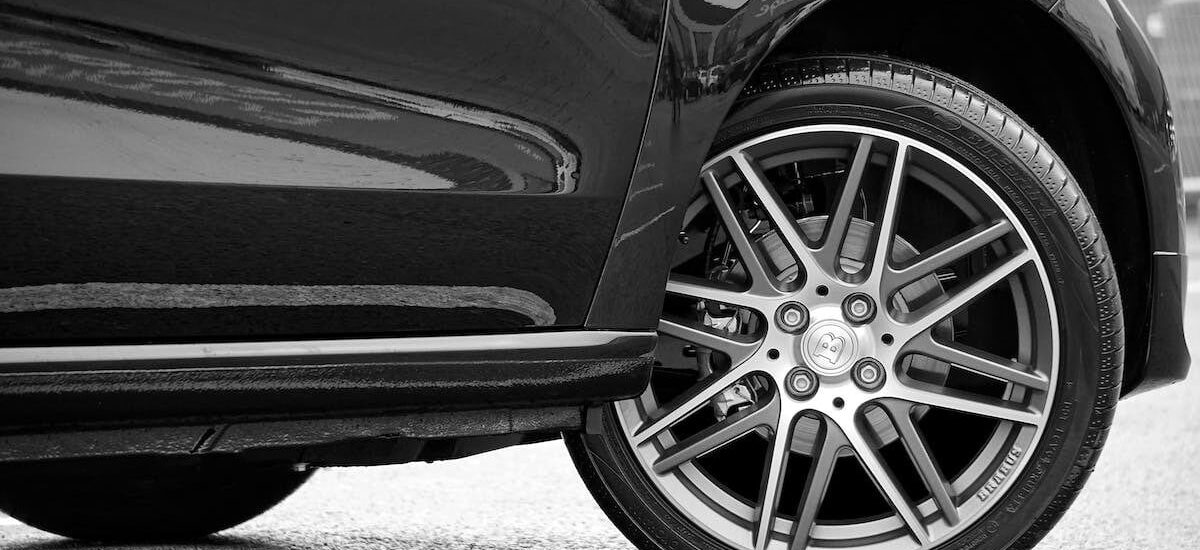
Let’s dive into the heart of a car-related issue that is often overlooked by the general public: the importance of speed ratings H and V for car tires. Indeed, these letters, engraved on the sidewall of each tire, have a very specific meaning and play an essential role in driving safety and performance. Ignoring their significance can expose us to considerable risks. So, what do they exactly represent? Why are they so important? What are the fundamental distinctions between them? Let’s get to the bottom of things and demystify these symbols that may seem cryptic at first glance.
Speed Ratings H and V: Decoding the Mysteries of the Road
The speed ratings H and V are codes used to describe the maximum speed a tire can safely maintain. In this section, we will examine the unique characteristics associated with tires bearing the speed rating H.
Designed for use at speeds of up to 210 km/h, tires with a speed rating H are distinguished by their increased robustness. The structural enhancement allows for superior stability during sudden accelerations or braking on various types of road surfaces. A distinct feature is the deeply engraved tread pattern, ensuring exceptional grip on wet pavement.
Another notable advantage of the H-rated tire lies in its shock and vibration absorption capacity generated during driving. This translates into significantly improved comfort when traveling on uneven roads or at high speeds. Additionally, these tires have been optimized to minimize the noise level produced while driving.
However, this comes with some trade-offs: H-rated tires may wear out faster than some other types due to their robust construction, which increases rolling resistance. As a result, they may slightly increase your vehicle’s energy consumption.
When choosing between an H rating and a ‘V tire’, you should consider your personal style and driving habits as well as your expectations regarding performance versus product durability. Drivers often required to drive at high speeds will certainly find the H rating to be a preferable option due to its increased stability under such conditions; whereas predominantly urban use, where comfort and safety are prioritized, will tend to favor the choice of ‘V tire’.
The final choice between these two ratings is therefore primarily dictated by your specific needs: consulting a qualified expert remains relevant to ensure you match every important aspect as recommended according to your particular conditions.
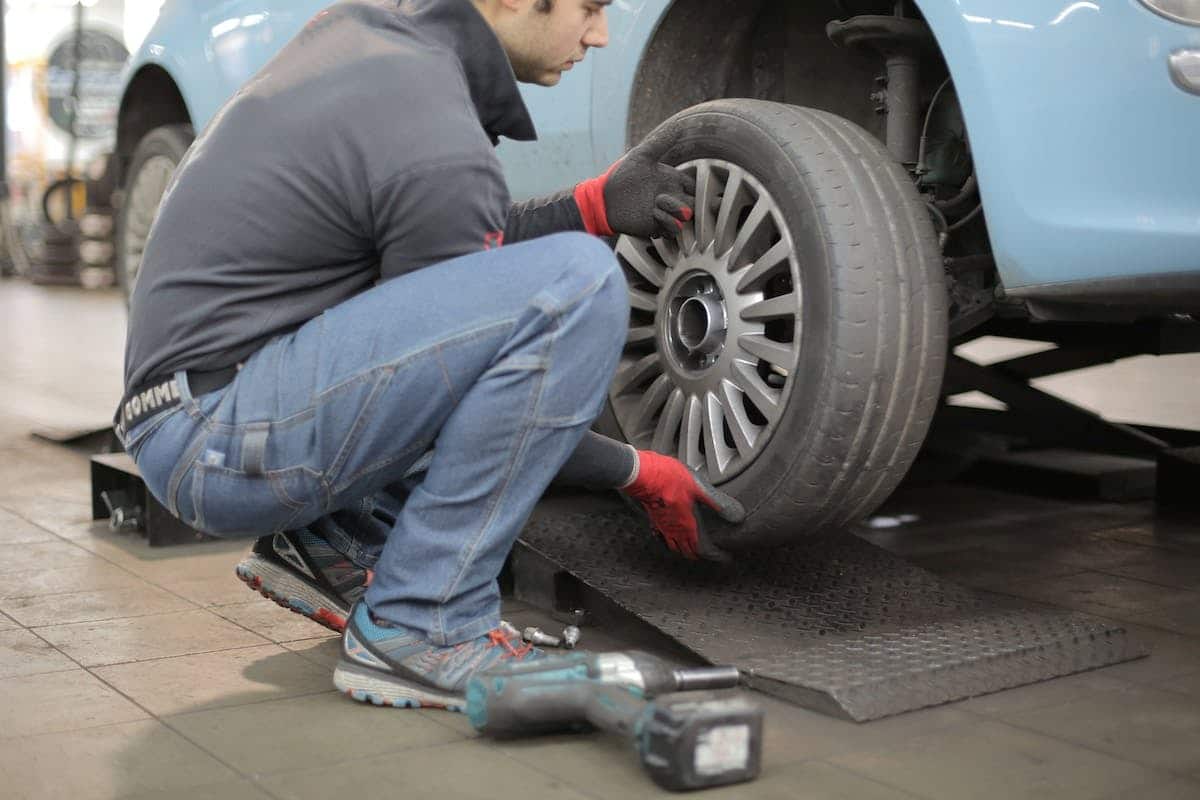
H Speed Rating Tires: Power and Performance at the Forefront
In this section, we will explore the specific characteristics of tires equipped with the speed rating V. These tires are designed to withstand maximum speeds of up to 240 km/h, thus offering exceptional performance for drivers who love to push their vehicle to its limits.
Tires with a speed rating V are distinguished by their ability to maintain remarkable stability even at high speeds. Their special construction and composition ensure optimal grip on the road, allowing the driver to have total control of the vehicle in all situations.
One of the main features of V-rated tires is their high heat resistance generated when driving quickly. This thermal resistance is achieved through the materials used in tire manufacturing as well as its sophisticated internal architecture. This means that these tires can continue to provide excellent road holding even when the engine is running at maximum and under extreme weather conditions.
Beyond their impressive performance in terms of speed and stability, V-rated tires also offer a high level of driving comfort. Thanks to their innovative features in terms of acoustic and vibrational damping, they significantly reduce the interior noise experienced by vehicle passengers. Additionally, they provide a pleasant and smooth feel on the road, which can enhance the overall comfort of each journey.
It is important to note that these tires may have a slightly shorter lifespan than H-rated tires, primarily due to the trade-off made between high performance and wear resistance. It is essential to find tires that perfectly meet all your expectations.
V Speed Rating Tires: For Sporty Driving in Complete Safety
In our previous section, we explored in detail the characteristics of tires with the speed rating V and their impact on vehicle performance. Now, let’s focus on the differences between tires with the H rating and those with the V rating.
One of the key aspects to consider is the speed limit to which each rating refers. H-rated tires are designed to withstand a maximum speed of up to 210 km/h, while those with a V rating can go up to 240 km/h. This distinction may seem minimal, but it represents a significant difference for drivers who need better road holding at higher speeds.
Another notable difference lies in the tire profile itself. H-rated tires typically feature a deeper tread compared to V-rated tires. This provides better grip on different types of road surfaces, especially in the rain or when there is a risk of aquaplaning.
Regarding comfort and noise generated during driving, it should be noted that H-rated tires tend to offer a slightly higher level than V-rated tires. This is mainly due to their specific design aimed at minimizing vibrations and reducing noise produced during contact between the tire and the road.
H and V Ratings: What Performance for Your Car
Let’s continue our exploration of the advantages and disadvantages related to tires with speed ratings H and V. One of the main advantages offered by H-rated tires is their wear resistance. Thanks to a harder rubber compound, these tires tend to wear less quickly, which can be an important factor for those who drive long distances or frequently use their vehicle. It should be mentioned that this rigidity can also affect driving comfort by transmitting more impacts due to road irregularities.
On the other hand, V-rated tires are known for their better water evacuation capacity when driving in the rain. Their specially designed tread allows for effective water dispersion over the tire surface, thus improving grip and minimizing the risk of aquaplaning. This feature represents a considerable advantage for road safety when driving in adverse weather conditions.
H and V Tires: Advantages and Disadvantages for Choosing the Best
When it comes to choosing between the speed ratings H and V for your car tires, you must consider various factors. You need to evaluate your driving style as well as the conditions you typically face on the road.
If you are a driver who prioritizes safety and seeks optimal grip, especially in the rain, V-rated tires are recommended. Their ability to evacuate water allows for better road holding in wet conditions, thereby reducing the risk of accidents related to aquaplaning. If you primarily drive in dry weather or in areas where precipitation is not frequent, then opting for H-rated tires may be more suitable.
You should check the manufacturer’s recommendations regarding your specific vehicle. Some models may come equipped with tires having a specific rating (H or V). In this case, it is preferable to adhere to these recommendations to ensure optimal vehicle performance and guarantee its durability.
Also, consider your budget as this could influence your choice between these two speed ratings. H-rated tires tend to be less expensive than V-rated ones due to the technological differences involved in their manufacturing.
If you have a powerful car requiring excellent road holding and high driving performance, V-rated tires may be more suitable. Conversely, if you have a more modest vehicle or your driving style is calm and relaxed, H-rated tires might suffice for your needs.
It is advisable to consult a qualified professional in the field to obtain personalized and tailored advice for your specific situation. These experts can take into account all the elements mentioned above as well as other factors such as the geographical area where you live or the intended use of the vehicle (urban, highway, etc.).
Choosing between the speed ratings H and V will primarily depend on your personal preferences regarding road safety and automotive performance. There is no universal answer as each driver has their own priority criteria. So take the time to evaluate all these considerations before making your final choice for tires that will best meet your expectations on the road.
H or V: How to Choose the Right Speed Rating for Your Tires
Now let’s examine the performance between the speed ratings H and V for car tires. The main criterion on which they differ is the ability to maintain high speeds.
Tires with a speed rating H are designed for use up to 210 km/h, while those with a V rating can withstand maximum speeds of up to 240 km/h. This means that if you are accustomed to driving regularly at high speeds on the highway, it would be preferable to opt for V-rated tires.
It should be noted that these ratings not only guarantee performance in terms of maximum speed but also stability and vehicle control in various conditions.
In this area as well, V-rated tires stand out due to their improved design that offers better ground grip and greater precision in turns. These characteristics are particularly appreciated by sporty drivers or those who like to fully exploit their vehicle’s power.
As for H-rated tires, they also offer excellent performance in terms of grip and road holding, but may be slightly less responsive when it comes to acceleration or tackling tight curves. For normal daily driving without excessive needs in terms of acceleration or extreme maneuverability, these tires remain perfectly suitable.
It should be mentioned that the difference between H and V ratings may be more pronounced on high-end or sporty vehicles. These cars are often equipped with a more efficient suspension and braking system, making the use of V-rated tires preferable to fully exploit their potential.
Let’s remember that insufficient pressure can lead to premature tire wear as well as a decrease in the overall performance of the vehicle.
Choosing between the H and V ratings will primarily depend on your driving style, road habits, and the type of car you own. If you are a driver passionate about absolute performance on the road or if you regularly drive at high speeds, opt for V-rated tires. Conversely, if your driving is rather calm and moderate without excessive needs in terms of acceleration or extreme maneuverability, H-rated tires will be perfectly adequate.